Eastside Cultural Navigator program provides help, guidance for immigrants and refugees
Published 10:15 am Wednesday, May 9, 2012
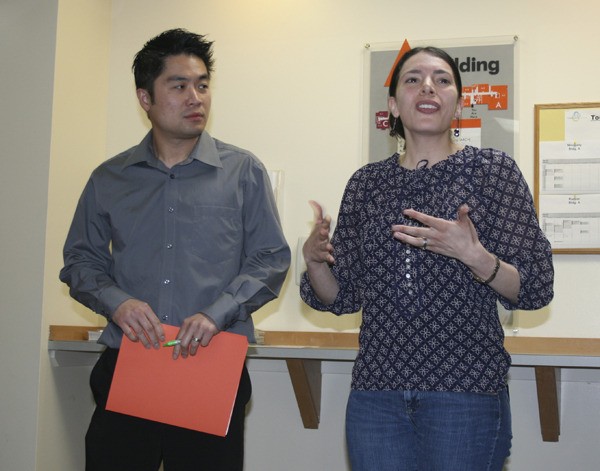
Facing a forest of language and cultural barriers, Chor Pehn Ng admits he was “lost” when he first moved to the United States from Malaysia in 1999.
But now Ng is helping local immigrants and refugees find their way as the program coordinator for the Eastside Cultural Navigator Program, which has an office at the Together Center in downtown Redmond.
The six-year-old program helps Eastside newcomers from other countries who speak little or no English by providing education and access to a wide variety of services. The services include navigating the bus transportation system, enrolling in school, setting up a checking account and more.
Ng said many immigrants do not have similar programs in their home country and don’t even know these type of services exist.
“When I first came here I was lost,” Ng said. “I didn’t even know I could use these types of services. If you need help, we will help you.”
Several Eastside city officials, including Redmond Council members Kim Allen, John Stilin and Pat Vache were at the Together Center Tuesday morning to learn more about the program and help promote it within the community.
The program, which is managed by Seattle-based Chinese Information and Service Center (CISC), just served Asian American immigrants when it first started in 2007, but now provides services to a wide variety of the Eastside’s growing ethnic population, according to CISC’s executive director Alaric Bien.
The program features staff members who can speak Spanish and four different languages of India at its Redmond location. There are Russian- , Korean- and Chinese-speaking staff at the program’s other location in Bellevue at the Bellevue Mini City Hall in the Crossroads Shopping Center. In addition, clients have access to people who speak Vietnamese through CISC’s office in Seattle, Bien said.

Bien said CISC is currently working on implementing a video conferencing program through Google+ so clients can contact the staff member they need from either the Redmond or Bellevue location.
But as Allen points out, the Eastside Cultural Navigator Program is more than just translation services.
“They are actually finding answers and solutions to someone’s problems,” Allen said.
The cities of Redmond, Kirkland and Bellevue all help fund the program with Redmond currently contributing approximately $23,000 per year, according to Bien. The program started as a pilot program for the first two years, but the cities continued the funding for the program after seeing “the impact it was making in Redmond and across the Eastside,” Bien said. “They recognized the value (of the program).”
When the program began its pilot status in 2007, it served approximately 200 clients and in 2011 it helped more than 1,500 people, according to Bien.
From prenatal clients to senior citizens, Eastside Cultural Navigator Program helps about 80 people each week at its Redmond office with a myriad of services such as finding employment and housing, signing up for English classes and even starting a new business.
The program has been a valuable community asset, especially for Spanish-speaking immigrants, since the recession hit hard, Bien said.
Alejandra Villarreal, the Spanish Cultural Navigator for the Redmond office, said she helps clients with filling out forms to find housing and food assistance and ways to get around on the public transportation system so families can find stability in a new culture.
“We have changed many, many lives,” she said.
The key to the program is building trust with the client, according to Uma Sehgal, the Indian Cultural Navigator.
“It’s about relationship building,” she said. “We give them help in any way. … We just show them the way.”
Redmond city officials in attendance on Tuesday praised the program and its location, which is housed in the Together Center where a variety of other human services are located.
Eastside Cultural Navigator Program staff can refer immigrants who are domestic violence victims or have mental illness to the other organizations at the Together Center.
Allen requested a stack of pamphlets about the program so she could distribute them at City Hall to help spread the word.
“One of the pillars our council set as a priority is diversity — recognizing it and helping to facilitate the challenges,” she said. “This is a huge step toward that. These are our citizens, this is who we serve. I’m proud to have this in Redmond.”
Oftentimes, immigrants and refugees suffer from depression because they don’t know where to turn for help, according to Pam Mauk, executive director of the Together Center.
“That sense of isolation can lead to mental illness,” she said. “Taking that first step, knowing how to get on a bus and knowing how to get a question answered is a big deal for people’s mental health as well.”