
30 days unplugged: The negative impacts of screens on teens
Published 3:17 pm Wednesday, May 13, 2026
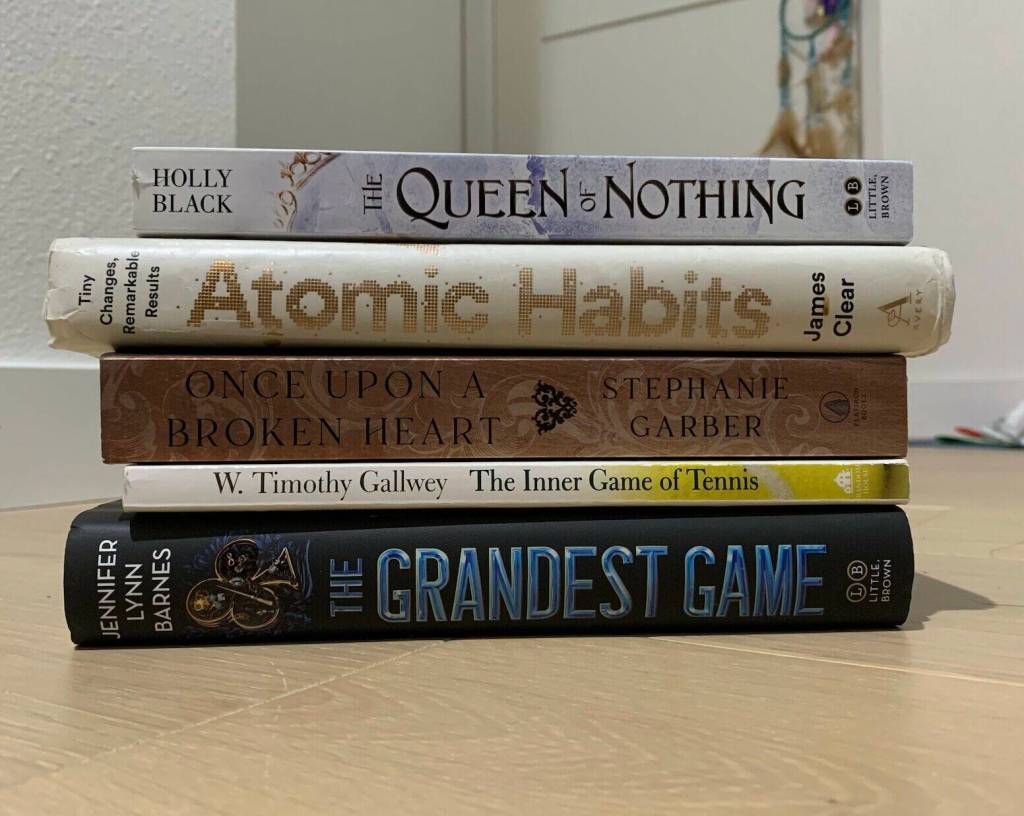




If you asked a group of adults why teens are always on their phones, they might say we’re “addicted” to the entertainment and connection. But my research and experience tell a different story. I found that 90% of us teens actually prefer in-person connection over digital. So why are we all stuck behind screens? To answer that question, I spent the last month as a human test subject in a 30-day screen-free challenge.
My name is Angela, and I am an 8th grader at the Overlake School here in Redmond. I have decided to spend 30 days without screens to explore the impacts of screens on teenagers and to advocate for less screen usage. That means that I am spending a month with no form of TV, video games, social media, or even texting and connecting with my friends.
My wonderful social studies teacher has tasked the entire 8th grade to undertake a “30-Day Project”. Essentially, students are pushed to step outside of The Comfort Zone for 30 days by exploring various topics or cultural aspects, such as becoming mute for 30 days or surviving on a low budget of $10 every day. This unique and versatile prompt has inspired 8th graders to pursue all kinds of ideas to investigate how others are living their lives while also becoming more involved as a citizen in our society in the form of advocacy; I chose to tackle our town’s most visible habit; screens.
However, there are still exceptions to our different 30-day projects, and because today’s world relies so much on the usage of screens, the only purpose of screen-use for me is strictly for homework or educational purposes. Everything else—games, social media, texting—is all off-limits.
In my social studies teacher’s words, the project’s ultimate goal is to “empower us in our own ability to be an independent learner, and to help us see our ability to work towards making a change and improvement”.
In my research to explore the effects of screens on teenagers, I surveyed my middle school peers anonymously at The Overlake School and found shocking results.
• 61% of teens spend over 4 hours every day on screens. Between school and sleep, that is about half of our free time, which could have been used towards personal hobbies, completing homework, or even just sleeping a few more hours.
• 65% of us stated that they use their phones to escape from the real world, showing that students are using their phones to numb or distract themselves from what is actually happening right in front of them.
• 61% of students admit that “doomscrolling” on short-form videos is negatively impacting their sleep and resulting in a lack of sleep.
Perhaps most importantly, 90%, an overwhelming majority of us, prefer in-person connection over online. This crucial point proves that teens feel more connected and present when they are physically with their friends, and yet we still spend way more time online.
These results also align with my research online in what many experts call “Brain Rot.” As noted by Revere Health and the Learning Scientists, the rapid-fire dopamine hits from vertical video feeds (like TikTok or YouTube Shorts) train our brains to expect constant stimulation, inciting a digital dopamine loop which causes addiction and the need to always be on our phones. This makes deep work—the kind of focus needed to solve a math problem or finish a book—feel nearly impossible. Besides that, research also shows that these videos can contribute to attention span decline, mental fatigue, and overstimulation.
Additionally, findings from the National Library of Medicine find that short-form videos have a negative impact on students’ academic procrastination and are prone to excessive use or addiction, especially for students and adolescents.
In my personal experience of this 30-day project, I have discovered so many things that I would have never thought about before attempting this. Not only have I noticed a clear shift in my sleep schedule, waking up earlier than I used to while still getting over 9 hours of sleep, but I have also seen an evident change in my attention span. I am more prone to sit down at my desk and work for hours nonstop, without feeling any urge to check my phone to see my notifications, because I know that I can’t.
I think that without the distraction of the phone always lingering near me, I can actually focus without wanting to distract myself from my responsibilities by opening YouTube and immediately scrolling.
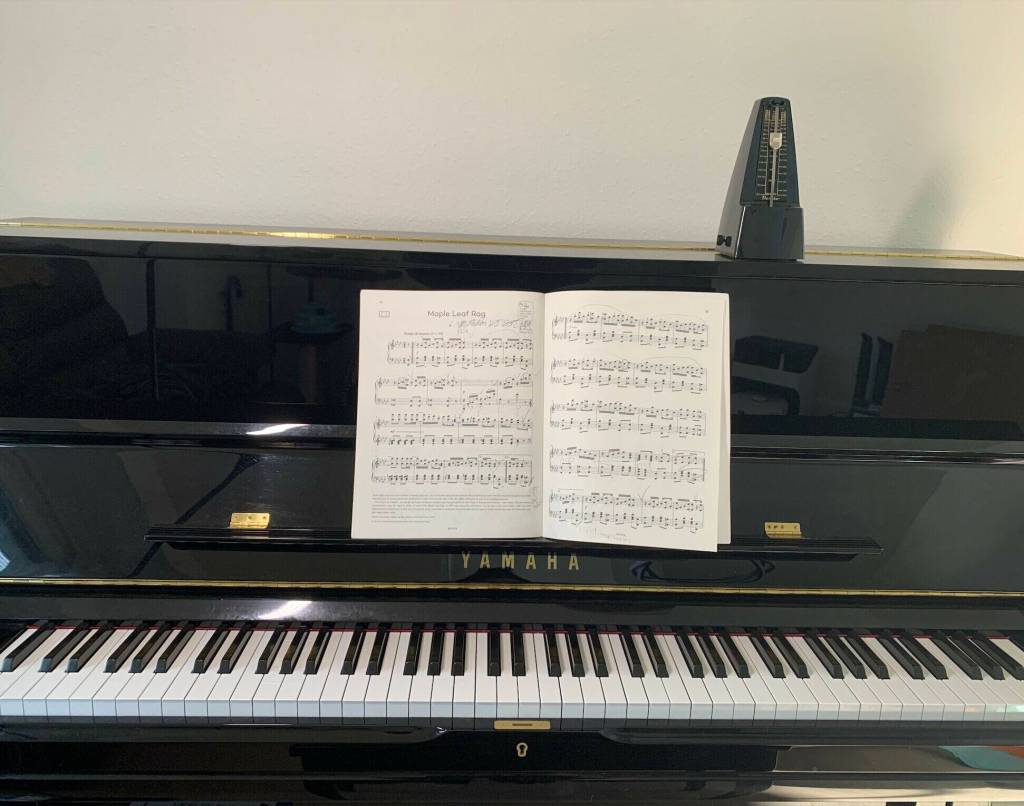
Also, with a past screen time of over 8 hours, I now have seemingly infinite free time, which I have used to hang out with my friends and family, play with my cat, or pursue hobbies that I told myself I “didn’t have time for” like reading and playing piano. In the past, I always made excuses by saying I didn’t have enough time for many things, but I know that is not actually the reality, and that all I needed to do was put down the phone.
However, on the flip side, I have also noticed downsides of going completely silent online. Although I also prefer in-person over online connection, it is hard to schedule things without being able to text my friends, and I also miss texting my friends, even if it doesn’t feel as genuine as face-to-face interactions.
I still think that online connection is important to keep up with your friends when you can’t always make the time to go out with them, but one thing is for sure; eliminating my bad habits of doomscrolling have brought me nothing but more time and mental clarity.
To explore some of the activism I have been completing, I have been passing out brochures and hanging up posters at school that state general facts about the relations between teens and screens, as well as the impact and ideas to help them start their own digital detox.
Clearly, screens are eating away at both our focus and sleep, which is why I think that it is so important to combat this teen screen epidemic. If you are a teen reading this, I urge you to schedule times to meet with your friends in person and put down your phone to look around you and go explore the city of Redmond. Go live in the real world.
–
Angela Lou is an 8th grader at the Overlake School and is completing a “30-Day Project” for her social studies class.