Construction on wildlife crossing on Novelty Hill to begin next week | VIDEO
Published 1:08 pm Friday, April 26, 2013
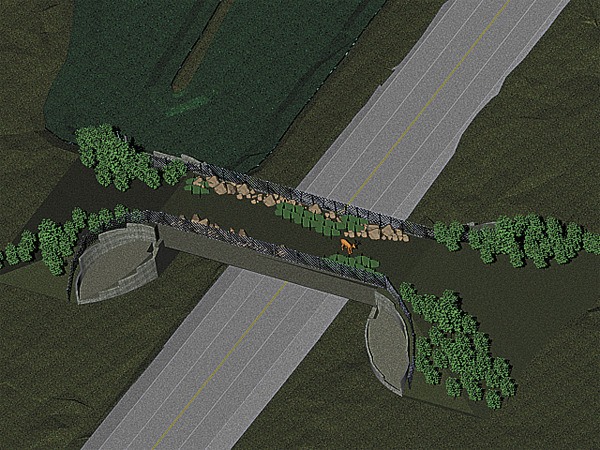
King County is set to break ground on a federally funded project aimed at preventing serious animal-vehicle collisions on Novelty Hill Road near Redmond.
The federal grant covers 100 percent of the eligible costs for the design and construction of the public safety project.
Over the past few years, King County has amassed nearly 40,000 infrared images from 12 video cameras situated in forested areas along the Novelty Hill Road corridor (see above video). In addition to small critters, these cameras have captured images of several of the 175 different species that live in the area, including bear, deer, bobcat, coyote and cougar capable of causing life-threatening accidents.
Novelty Hill Road bisects an extensive 457-mile network of protected habitat that stretches from Enumclaw, north to Woodinville and east to the Cascades. Given the growing potential for serious accidents in the area, county engineers will construct a wildlife overpass between Redmond Ridge Drive Northeast and 234th Place Northeast. Work gets underway next week and should take about a year to complete.
At least 20 major collisions involving wildlife have been reported along Novelty Hill Road since 1999 – and it is estimated many more accidents have gone unreported. Washington State Patrol receives reports of nearly 1,200 human injuries and two fatalities on average each year.
Development in the area surrounding Novelty Hill Road has been relatively sudden and intense. In the past 10 years, it is estimated an additional 10,000 residents — the equivalent of the population of both Duvall and Carnation — have moved to developments that encircle the crossing area. Additional traffic has accompanied that growth and traffic engineers expect about 15,000 additional daily trips by 2030 on the busy roadway, making a solution to animal-vehicle collisions even more urgent.
“This project drew the most support of any grant-funded county road project in recent memory,” said Roads Engineering Services Manager Rick Brater. “And the data tell us conflicts between motorists and wildlife will only get worse as the area becomes more developed and traffic increases. This project gives us a way to protect drivers from unnecessary tragedy in the future.”
The safety project will involve construction of a concrete overpass and features that will provide a connection to undeveloped land to ensure access to habitat. Fencing will be placed along the north and south sides of the road to prevent animals from entering the travel lanes. Other than the potential for brief weekend closures this summer, the project is not expected to significantly impact traffic flow.
The use of wildlife crossings is growing in popularity throughout the nation and world as travel patterns change and roads in previously rural areas become busier. The potential for human and economic loss has prompted scientists and engineers to consider a number of tools to mitigate conflicts between roads and wildlife. The most recent example in this state is a Washington State Department of Transportation project to add crossings along a 15-mile stretch of Interstate-90 from Hyak to Easton.