Gormans in dispute over county’s designation of handmade watercraft
Published 5:29 pm Thursday, June 25, 2015
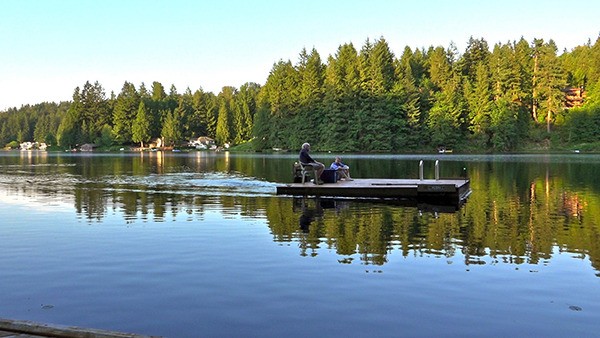
Paul and Susan Gorman have been living on Ames Lake in unincorporated King County near Redmond for about 23 years.
Living in such close proximity to the water, the couple decided to build a float to use on the lake in 2002. They built it with the intention of installing an engine on the watercraft so they could take it out on the water in the early afternoons, when the side of the lake their home is located on would become shaded.
When they built the structure, the Gormans did not realize they needed permits to do so.
Paul said one of their neighbors reported them to the county that same year for having an illegal float.
According to the King County website, a float is “a structure or device which is not a breakwater and which is moored, anchored, or otherwise secured in the waters of King County and which is not connected to the shoreline.”
Basically, Paul said, a float is a structure that is stationary in the water.
After learning about the reporting, he said they went to the county to apply for the correct permits. They spent about $1,600 on the application process, only to be denied a permit because King County determined the density of the lake — meaning the amount of residents living around the lake — was too low to allow for new float permits.
“It didn’t make sense to us,” Paul said.
According a staff report from the King County Department of Permitting and Environmental Review (DPER) regarding the case, the permit was denied because “docks were not allowed on Ames Lake under the shorelines code in effect at the time…The (Gormans) removed the dock and the case was closed.”
“We complied by converting the float into a boat,” Paul said.
They registered their now-boat with the state, complete with a state-issued registration number on the watercraft — which Susan described as looking like a dock, but it is not a dock. The couple added that they renew the registration for the boat with the state each year.
A few years later, in 2006, that same neighbor who reported them the first time to the county, reported them once again to the county that the “float” was back, Paul said.
The DPER report stated that the complaint was received Jan. 11, 2006 for “construction of an addition/remodel to a daylight basement, dock, and steps that lead down to Ames Lake without the required permits and inspections.” The Gormans received a violation letter and there was a site inspection on Feb. 3, 2006. The inspection showed that, “no structural work was done and the complaint…was cleared.”
The documents also acknowledged the Gormans licensing the structure as a vessel:
“The (Gormans) disputed the need for permits for the dock, stating that because it was modified into a boat it was not subject to King County regulation.” The county disagreed, still viewing the watercraft as a float, thus requiring permits, the report states.
The Gormans decided to appeal King County’s decision to a hearing examiner, but the case was put on hold as Paul said the county was rewriting areas of an ordinance that would allow floats to be permitted in rural lakes such as Ames Lake.
That ordinance went into effect at the end of 2014 and the Gormans are back to appealing the case.

“We were using it as a boat,” Paul said about what they did with the watercraft between 2006 and now.
In documents the couple submitted to the hearing examiner, “King County contends that the Gormans’ boat is being used as a float, presumably based on reports from several neighbors angered over a property dispute with the Gormans…the evidence is overwhelmingly in favor of the fact that the Gormans’ handmade boat is used as a boat.”
Paul said in their appeal, they address four issues: whether the county has jurisdiction to regulate an object that has been documented as a vessel by the state; how the object is being used; whether the county has the authority to require permit applications and approvals for replacing the use of an object; and whether the object in question complies with the county’s current code requirements.
While this issue only directly affects the Gormans, they said they are worried that if the county can require them to apply for certain permits for their boat, they might require others, as well, after this.
The Gormans’ hearing for their appeal was Thursday. Susan said there was two and a half hours of presentations, questions and testimonies.
“The hearing examiner will deliberate and issue her decision in seven to 10 days,” she said.
Paul said if they lose their appeal, they will take the case to King County Superior Court.