‘School funding crisis’ town hall urges WA to fix the gaps
Published 4:28 pm Thursday, January 8, 2026
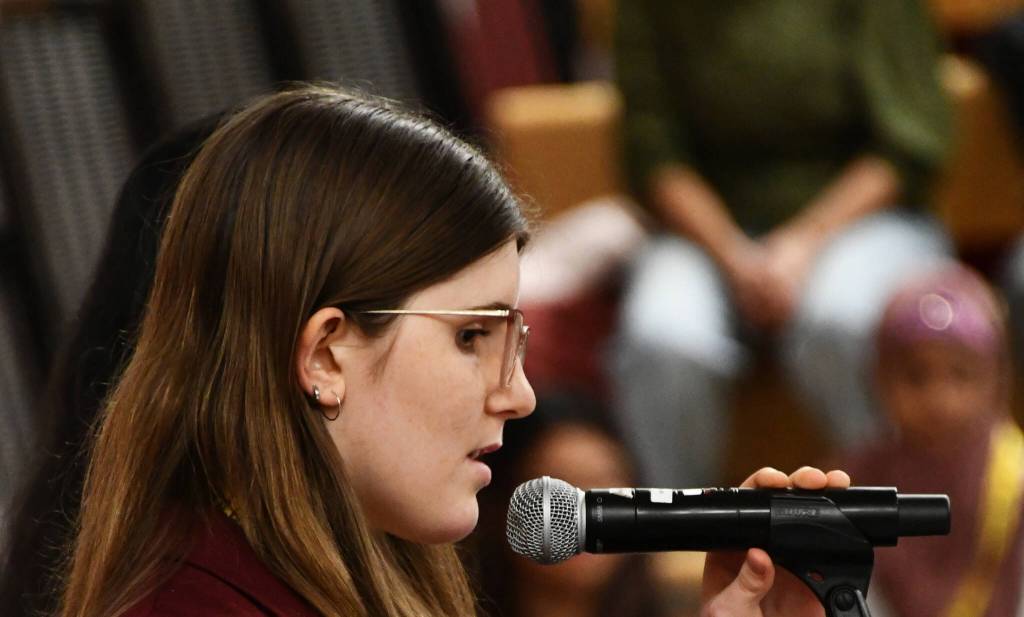
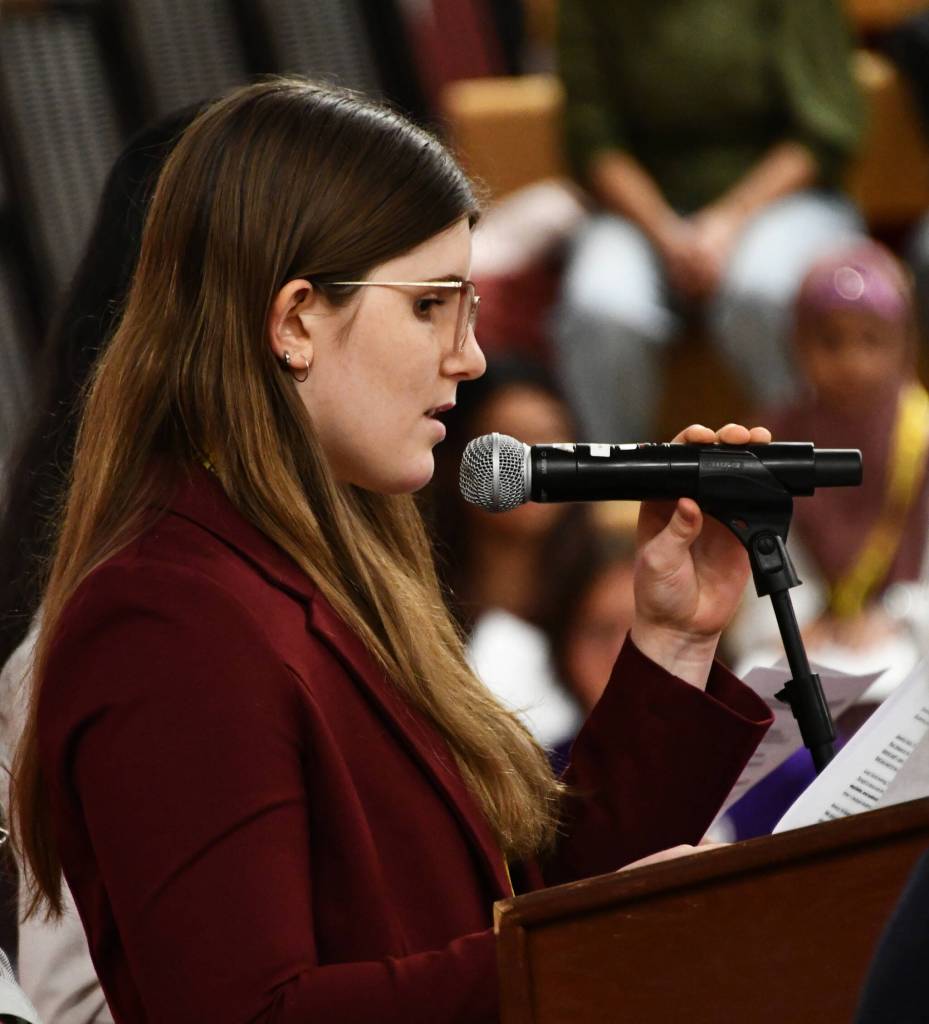
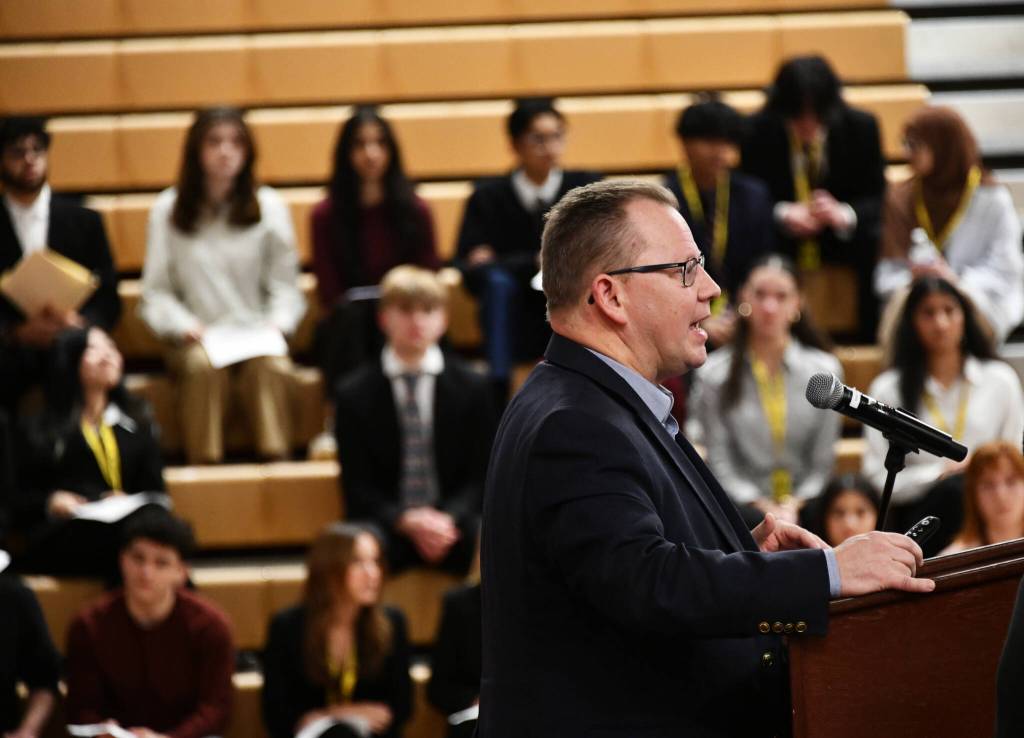
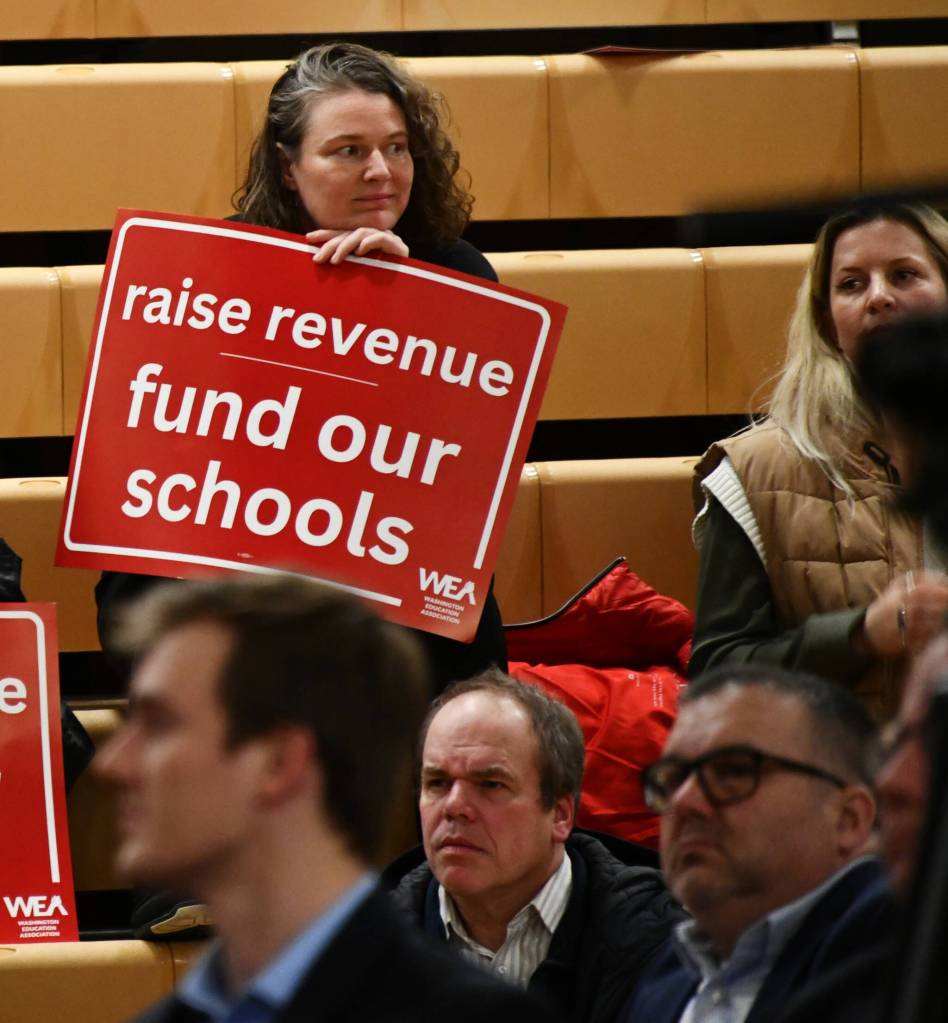
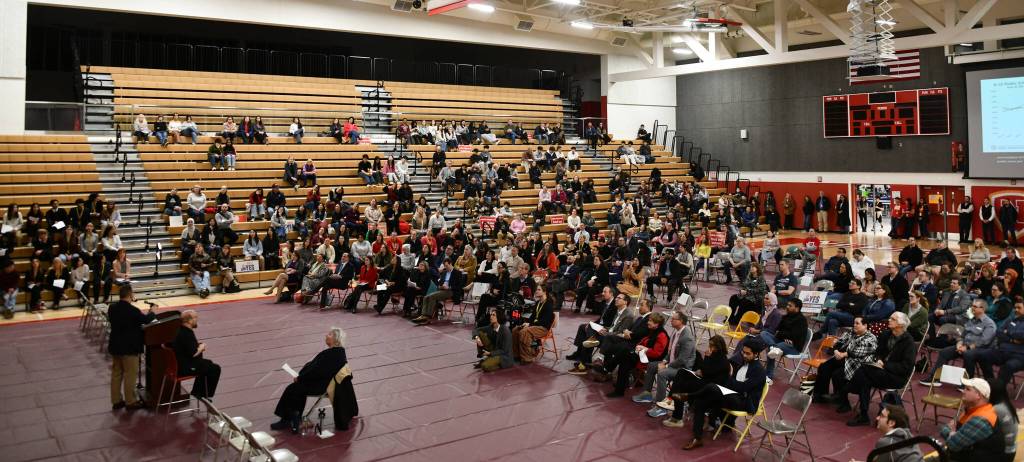
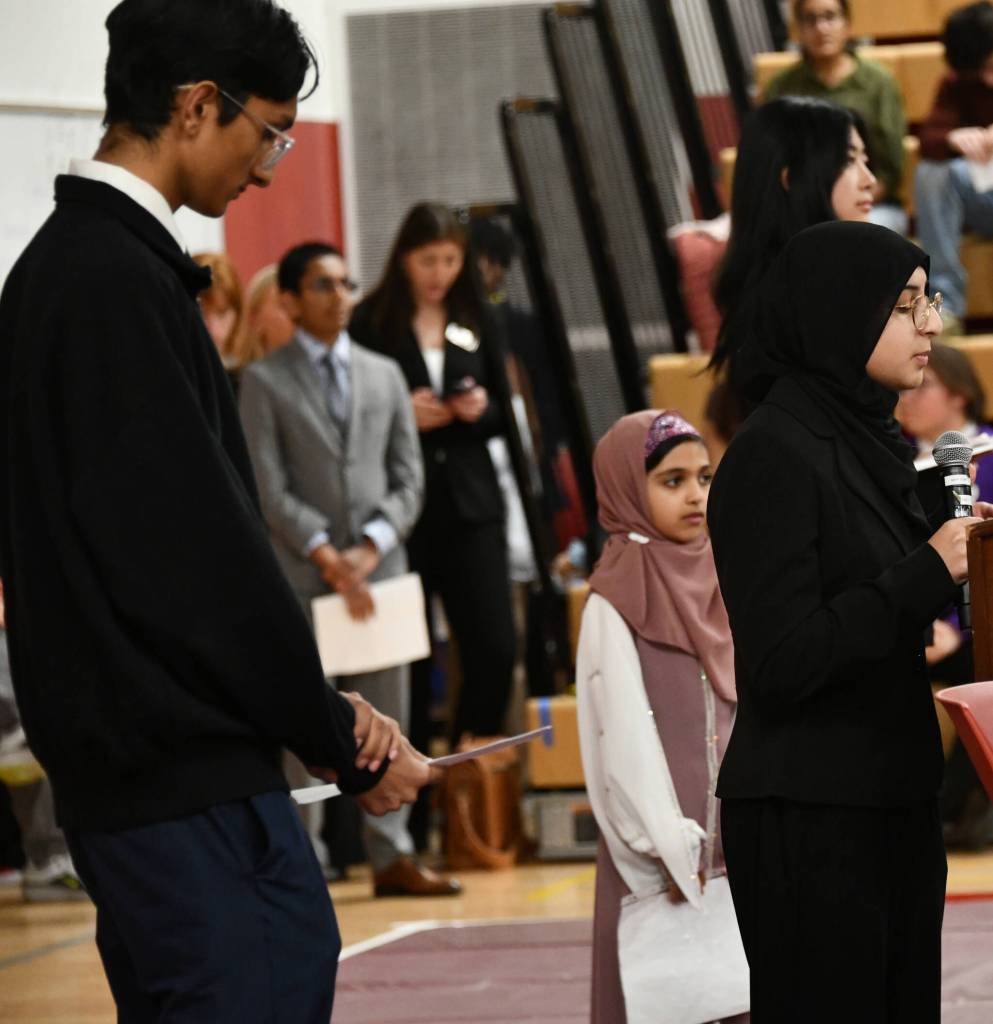
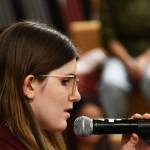
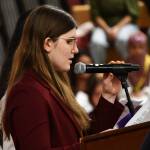




Passionate students stood front and center and let their voices be heard through their compelling stories at the Jan. 7 regional education funding town hall, “School Funding Crisis,” at Newport High School in Bellevue.
A crowd of 378 people — which also included educators, school district leaders, PTSAs and families — gathered in the school gym and represented school districts from Mercer Island, Bellevue, Issaquah, Lake Washington, Northshore, Renton, Riverview, Shoreline, Snoqualmie Valley and Tukwila.
The event also featured speakers Chris Reykdal, Office of the Superintendent of Public Instruction superintendent; Daniel Steele, school funding expert; and a question-and-answer panel with a host of state legislators.
“Set the tone of hope. Tonight, anything is possible,” said Jill Rock, president of the Bellevue Education Association.
Mercer Island High School (MIHS) student representative to the Mercer Island School District Board Lucy Dorer delved into the situation during the trying financial times.
“It’s in our Constitution that fully funded education is a paramount duty of the state of Washington. I hope that people come away knowing that our state is not fulfilling that duty,” Dorer said in a pre-event interview. “We’ve seen in the years since the McCleary decision, the percentage of the budget going toward schools declining from 51% to 43%. So it is important that we bring that up and we continue to fully fund education so students can get the best chance possible at their K-12 education.”
Added Avery Smith, a Snoqualmie student, prior to the event: “The fact is that right now school districts are facing very consistent funding shortages and this is affecting all the students. It leads to overall lower student well-being, less opportunities. The fact is that students are the future and if we aren’t getting the correct funding to set us up for success, then that future might be a little bit duller.”
People in the spotlight with microphones in hand advocated for improved funding for “The Big 3:” special education, transportation (access to learning) and materials, supplies and operating costs (MSOC). “This is where the system is cracking,” read a slide in the presentation, adding that: “These gaps affect every district — big and small.”
According to district data: For special education, $310 million is funded with a $500 million gap across the state. Within the transportation sphere, there is a $90 million underfunded gap. On the MSOC front, $79 million is funded with a $500 million-plus underfunded gap.
One slide read that when it comes to student support and staffing, underfunding affects class sizes, counselors, nurses and support staff and targeted student supports such as academic, mental health and family engagement. It was also noted that eight of the 10 represented districts are renewing levies in February and the levies equal 15% to 25% of district budgets.
“As students, we know that we’re gearing up for our whole future right now. We know that we’re setting up for our careers, for college, and so that’s not setting us up the best that we can be when our schools don’t have enough money to teach us,” said MIHS student representative to the board Brody Newcomer before the town hall.
During the event, Reykdal said that three key reasons why districts are financially struggling are from decreased state funding, lack of progressive revenue and enrollment declines.
He noted, in part, that student performance has increased; with increased funding, the Legislature should strengthen school districts’ financial health and district financial oversight; and Washington’s tax structure doesn’t provide sustainable funding for education, and it places an outside burden on the lower and middle classes, thus reform is needed.
School funding expert Daniel Steele said that financial challenges include a current shortfall (2025-2027) of $1.6 billion and a four-year shortfall (2026-2029) of $4.3 billion. K-12 education advocacy priorities should be preserving current investments and pausing any new unfunded mandates and requirements, and to set up for long-term finance and policy reforms.
In the equity matters section of the presentation, one student said that achievement gaps persist by income and race, funding fairness is a systematic issue and that “addressing these gaps is essential.”
When it came time for school district superintendents to pitch in, they did so via a video, which featured Mercer Island’s Fred Rundle, Riverview’s Susan Leach and more.
“We need to think about what it takes to truly fund basic education, to meet the needs of those students and send them into the world with the knowledge, skills and dispositions necessary to succeed,” Rundle said.
Leach noted: “When we talk about education funding, we’re really talking about the future of our communities. Every dollar we invest in our schools is a dollar invested in opportunity, equity and innovation.”
Bellevue parent Jennifer Glover discussed one of her takeaways from the meeting: “I am looking forward to seeing our state legislators follow through on all they had to say today (about helping with funding). They have been very positive, so I want to see the action.” Glover focused on legislators’ closing comments around how they’re going to be heroes for students.
Courtney Stepp, president of the Renton Education Association, noted about the town hall: “The real big thing behind this event is helping people understand the different stakeholders in funding public education, how they can have a role in making sure that education is equitably and fully funded. In addition to the more technical pieces of how it works after you vote. Like, what happens after you vote yes for a levy or a bond?”
Stepp added that people can get involved by attending school board meetings, interacting with the board and asking questions.
Student Taanvi Arekapudi, a mental health advocate from Inglemoor High in Kenmore, said the town hall was a great place to bring legislators, parents, community members and students together to discuss funding issues.
“Coming from a background of having mental health challenges, seeing my peers experience mental health challenges, I wanted to share how these budget cuts deeply impact our mental health and what we can do about them, especially simple things like increasing teachers in schools or classroom sizes. They seem small, but they have huge effects on student mental health,” said Arekapudi, who is organizing the first teen-led Mental Health Summit, titled “Action Starts With Us,” on March 21 in Renton. The three pillars of the event will be awareness, empowerment and action.