City’s Feedback Festival features Northwest, national artists
Published 1:25 pm Tuesday, May 7, 2013

City of Redmond staff are working to create an Arts Master Plan for the downtown core, and to help develop this, they held an event last Friday to hear from the community about what they would like to see.
The first-ever Feedback Festival was held in downtown Redmond, starting in the bottom floor of the Red 160 apartments. As part of the afternoon, which continued on into the evening, four individuals — three artists and one developer — held a workshop for cultural arts professionals, discussing their previous and current projects and the importance of having art in the community.
While their projects were all different, one of the things they had in common was some sort of community element.
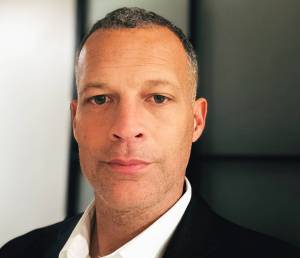
Joshua Heim (below), arts administrator for the City of Redmond, said the various concepts and projects discussed at the event were to give people ideas on what they could bring to Redmond.

In Redmond, Natural and Built Environments owner and CEO Robert Pantley is behind the Vision 5 development at 8525 163rd Court N.E. in downtown. The living community is focused on the arts, which Pantley said is important in bringing it to Redmond.
“If you want to have arts, you must have artists,” he said.
Pantley, who grew up on the Eastside, said art can help create economic vitality for a community and he hopes to do this for Redmond with Vision 5. He added that in order to keep artists in Redmond, they would also need to be able to afford living here.
In addition to affordability, Pantley and his company have worked with local artists to create an environment where artists want to live — not just because they can afford it. As a result, the living community, which is scheduled to open later this month, will have areas where artists can work, multi-use spaces for them to show and sell artwork, community areas for meetings and more. Pantley added that some of the areas will be open to non-residents such as schools and nonprofits to display their work, as well.
Kurt Keifer, an art adviser who worked with Vulcan Inc. on the art plan in Seattle’s South Lake Union neighborhood, discussed what he considered the ingredients for successful public art with the group. He told them in creating public art, weirdness is OK, it is important to have great artists, color and active engagement with the community. He said good craftsmanship is also important for pieces’ longevity and durability.
“The craft really matters,” he said.
Another Pacific Northwest-based project was the FREEmobile by Jon Rubin, an associate art professor from Carnegie Mellon University in Pittsburgh, Pa. For a summer, a modified step-van with the word “FREE” painted on its side toured Seattle’s Hillman City neighborhood and hosted residents who shared what they made or did with their neighbors for free. Examples included free hair braiding, line-dancing lessons, bike repairs and vegetables. Rubin, whose projects focus on creating interventions in public life that reinvent social and political conditions, said this was a way to bring together a very culturally diverse neighborhood and get strangers to meet each other.

One of the projects Janet Zweig (above), an artist from New York who mainly creates public art, shared was “Columbus Never…” in Columbus, Ohio. The phrase “Columbus never came here, but” was hung on the side of a building in the middle of the city and a contest was held for community members to come up with the next part of the sentence.
“I’m a fan of having contests,” Zweig said. “People are thrilled to win something.”