Red-Bell 100 Ride to begin Saturday at Marymoor Park
Published 10:12 am Friday, June 28, 2013
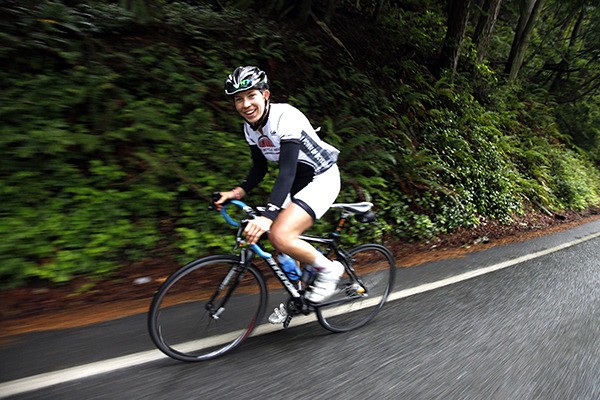
Redmond is known as the Bicycle Capital of the Northwest and this weekend, the city will live up to its nickname as hundreds of cyclists will gather to raise money for the local and global biking community.
The second annual World Bicycle Relief (WBR) Red-Bell 100 Ride will begin at 7 a.m. on Saturday at Marymoor Park just outside of town. The fundraiser is a 104-mile ride from Redmond to Boundary Bay Brewery in Bellingham to benefit WBR and Seattle-based Cascade Bicycle Club (CBC).
The proceeds will be split 70-30 with the majority of the funds going toward WBR, an international nonprofit that works to bring bicycles to Africa to help improve access to education, health care and economic opportunities. The remaining money will go to the CBC Education Foundation’s youth programming.
WBR’s individual giving manager Jennifer Schofield said the funds they will receive from the event will go toward programs they have set up throughout Africa. According to the WBR website, these programs provide bicycles for health care workers and students through work-to-own or study-to-own programs or are “purchased by (non-government organizations), corporations or individuals in need of reliable transportation in order to reach clean water, education, health care, markets and jobs.”
In addition to providing rugged bicycles designed specifically for rural African terrain, Schofield said WBR also trains field mechanics who can repair the bikes if and when needed.
She said Red-Bell 100 is one of only two major fundraisers held in the United States — the other one will be in Chicago in August — but they do hold other events around the world.
This is the second year Red-Bell 100 is being held and Schofield said they have almost doubled the number of participants from almost 200 last year to about 350 this year.
Jonathan Gorstein is this year’s top fundraiser, bringing in $6,872 as of Wednesday evening. The 52-year-old man from Seattle first learned about WBR when he was in rural Zambia for his work as a public health nutritionist and some farmers were using bikes to transport crops to a local market.
“The farmers told me that they could never get their crops to market to sell and the bikes had been ‘transformational’ for their livelihood, their families and to make vegetables more widely available to other families,” he said. “The bikes they had before would all break down and were a waste of money. As I learned more about World Bicycle Relief, I became more and more excited about finding a way to support the organization.”
He learned about Red-Bell 100 as a member of CBC, but could not participate last year because he was out of the country. Gorstein said he thought a goal to raise $1,000 was too ambitious, but once he saw how “compelling the story was and how excited people would get when (he) described the Red-Bell and the mission of WBR,” he raised it to $6,700, which would provide 50 bikes for WBR.
Gorstein’s supporters aren’t the only ones to find Red-Bell 100’s cause compelling. Shoreline resident Judy Soferman and Seattle resident Jack Seifert are both participating in the ride and said they wanted to find an event to take part in with a cause they could support.
“I had no trouble fundraising for this cause,” said Seifert, who will be riding the Buffalo bike, the bike WBR uses in Africa, for the event. (The robust Buffalo bike features heavy gauge spokes, rims and steel tubing and puncture-resistant long-wear tires.)
At 53, Seifert has been cycling for 30 years and said he gets bikes.
“Bicycles are the most efficient machine ever created,” he said. “But what World Bicycle Relief is doing in Africa is transformative…In rural Africa bicycles are alternative transportation to walking…People are so much more efficient with time, distance and the amount they can carry using a bicycle over walking.”
Soferman added that in the United States and most developed countries, people take transportation for granted. Having a bike in this country is considered typical but using one for transportation is still unusual since having a car is just a way of life.
“We certainly do not think of having a bicycle to get around with as a luxury item,” she said. “Having a bicycle (in rural Africa) can make the difference between completing an education, finding job training, seeking medical care and supporting a family. It is a means to empower one person at a time to seek and make a better life for themselves, their family and their community.”